Backlinks 101
What is a backlink? A plain-English definition
A backlink is a link from someone else's website to yours. Here is what that actually means for SEO, why search engines care, what makes one backlink worth more than another, and how to see the ones you already have.
Frequently asked questions
What is a backlink?
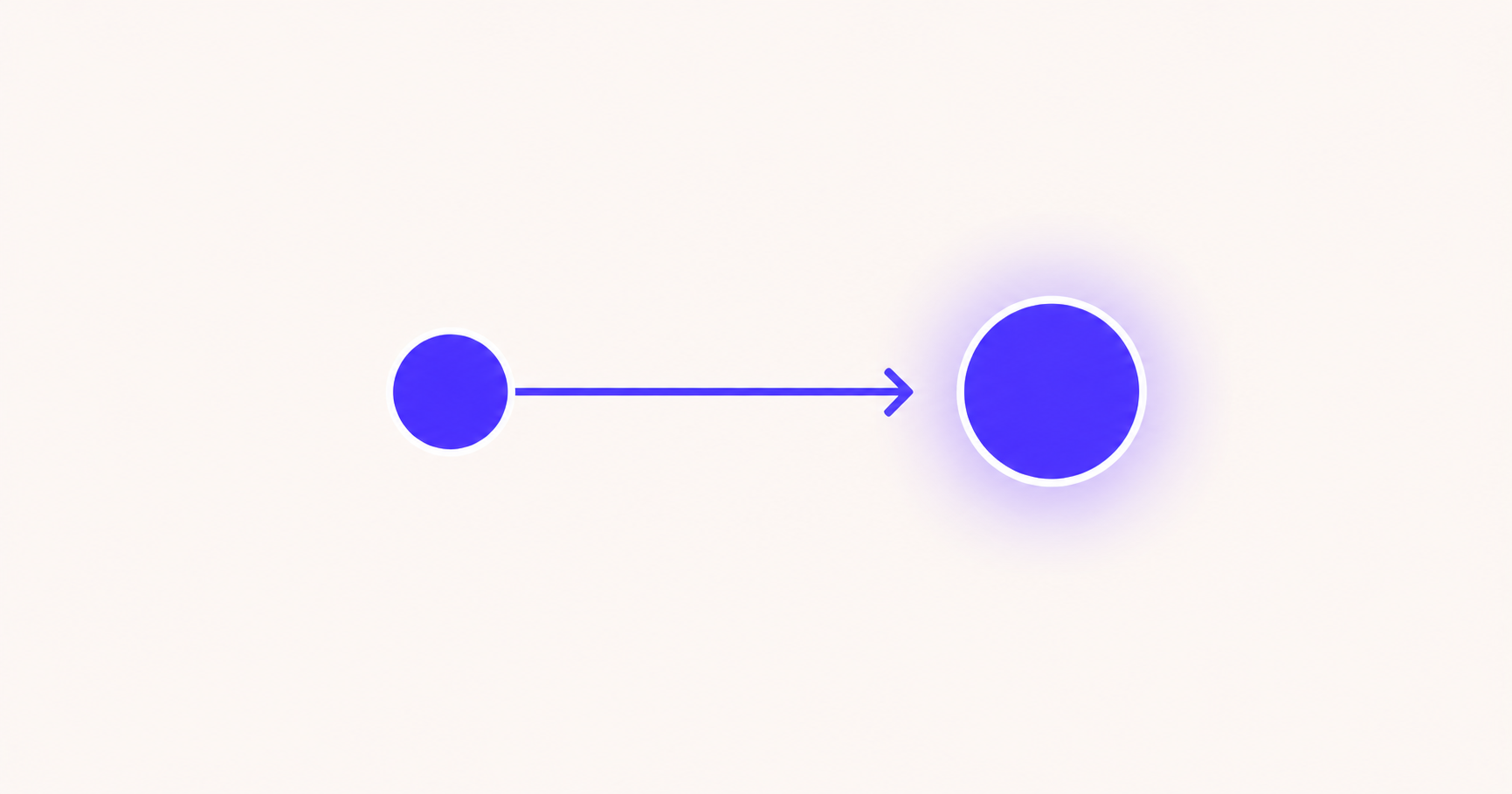
- A backlink is a link on another website that points to yours. If a blog writes about your product and links to your homepage, that link is a backlink from their site to yours. Search engines treat backlinks as signals of credibility, on the reasoning that people tend to link to pages they find useful, so a page with links from many trusted sites is likely to be worth showing.
What does backlink mean in SEO?
- In SEO, backlink means an inbound link used as a ranking signal. Google's original insight was that a link works like a citation, and a page cited by many respected sources is probably good. Backlinks remain one of the strongest ranking factors, though modern search engines weigh the quality, relevance, and context of each link far more than the raw number of them.
Why are backlinks important?
- Backlinks are important because they are one of the few ranking signals you cannot create for yourself. You control your own content and site structure, so those signals are cheap for anyone to fake. A link requires another person to decide you are worth referencing, which is exactly what makes it credible evidence and why it carries so much weight.
What is the difference between a backlink and an internal link?
- An internal link points from one page on your site to another page on the same site, and it helps search engines understand your structure and spread authority around. A backlink comes from a different website entirely. Internal links organise the authority you already have, backlinks are how you get more of it.
How many backlinks do I need to rank?
- There is no number, and any tool quoting one is guessing. What matters is how you compare to the pages currently ranking for your target term. If the top results have links from fifty distinct sites and you have three, that gap is your answer. Check the referring domains of whoever ranks above you and use that as the benchmark rather than an abstract target.
Do backlinks still work in 2026?
- Yes. Google has repeatedly reduced the weight of low-quality links and improved at ignoring manipulated ones, but links from relevant, credible sites remain a core signal. What has changed is that volume stopped working. A hundred links from sites nobody reads now does roughly nothing, while a handful from publications your customers actually read still moves rankings.
Keep reading
Types of backlinks, with examples
The main kinds of link and which ones are worth pursuing.
Dofollow vs nofollow backlinks
Which links pass authority, and which still matter anyway.
Backlink glossary
Every other term you will run into, defined once.
How to check who is linking to your website
See the backlinks you already have.
Anchor text, explained
The words in a link, and why they carry meaning.