Backlinks 101
Dofollow vs nofollow backlinks, explained clearly
What the difference actually is, why nofollow links still matter more than most people think, and how to check which kind you're getting, without the jargon or the myths.
Frequently asked questions
What is the difference between dofollow and nofollow backlinks?
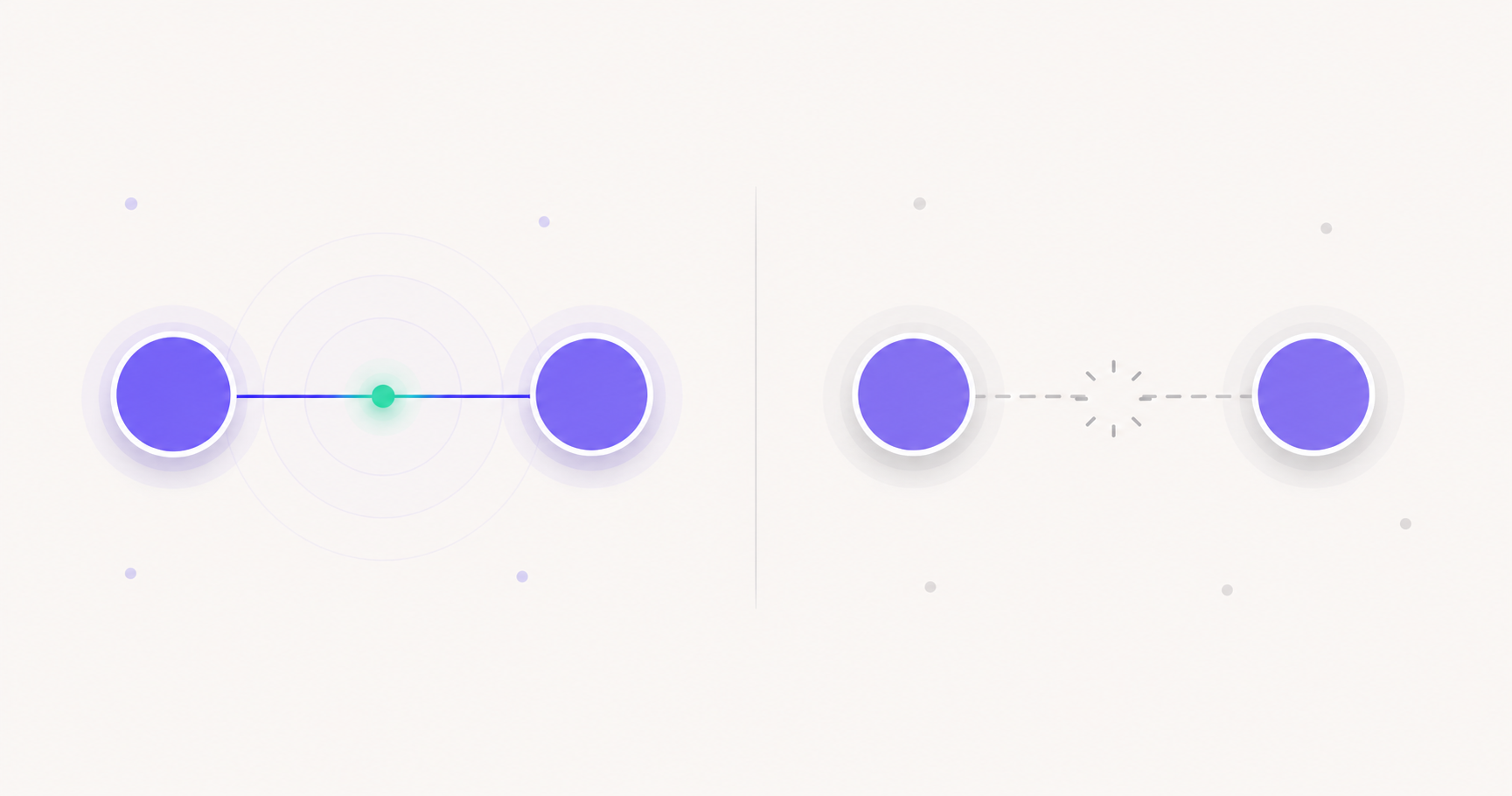
- A dofollow link passes authority ("link equity") from the linking site to yours, helping your rankings. A nofollow link includes a rel="nofollow" attribute that tells search engines not to pass that authority. Both are real links a person can click; the difference is only in the ranking signal they send.
Do nofollow links help SEO?
- Yes, more than their reputation suggests. Google treats nofollow as a hint rather than a strict rule, so some nofollow links may still carry weight. Beyond that, they drive referral traffic, build brand awareness, and often lead to dofollow links later. A natural profile contains both, and an all-dofollow profile looks manipulated.
How do I check if a backlink is dofollow or nofollow?
- View the page source and look at the link's rel attribute. A value of rel="nofollow" (or "sponsored" or "ugc") means it doesn't pass standard authority, while no such attribute means it's dofollow. Most backlink checkers and browser SEO extensions label each link's follow status for you so you don't have to inspect the HTML.
What are sponsored and UGC link attributes?
- They're two newer rel values Google introduced alongside nofollow. rel="sponsored" marks paid or affiliate links; rel="ugc" marks user-generated content like comments and forum posts. All three signal that a link shouldn't pass normal ranking authority, and Google treats them as hints about the link's nature.
Is there a free dofollow backlink checker?
- Yes. Our free checker returns any domain's referring domains with dofollow or nofollow labelled on each one, with no account. It reports at the referring-domain level rather than per individual link, which is the more useful view when you are deciding which sites are worth pursuing.
How do I check if a backlink is dofollow or nofollow in bulk?
- Use a backlink checker rather than inspecting pages by hand. Viewing source tells you about one link at a time, which is fine for a single mention and impractical across a profile. A checker reports the split across every referring domain at once, so you can sort by which sites actually pass authority.
Does a domain marked dofollow mean all its links pass authority?
- No, and this trips people up. Most checkers summarise follow status per referring domain rather than per link, because a domain list is far more readable. A single site often sends both kinds, such as an editorial link from an article and a nofollow one from an author profile. A dofollow label means the site sends at least one followed link, not that every link from it passes authority.
Keep reading
Where to get backlinks that actually count
Which sources tend to give dofollow vs nofollow links.
How to check who is linking to your website
See the follow status across your whole link profile.
How to analyze a competitor's backlink profile
Read follow status the right way when sizing up rivals.
What is a backlink?
The wider definition this distinction sits inside.
Types of backlinks, with examples
Which link types are usually dofollow, and which are not.
Anchor text, explained
The other link attribute worth understanding.