Strategy
How to replicate a competitor's best backlinks
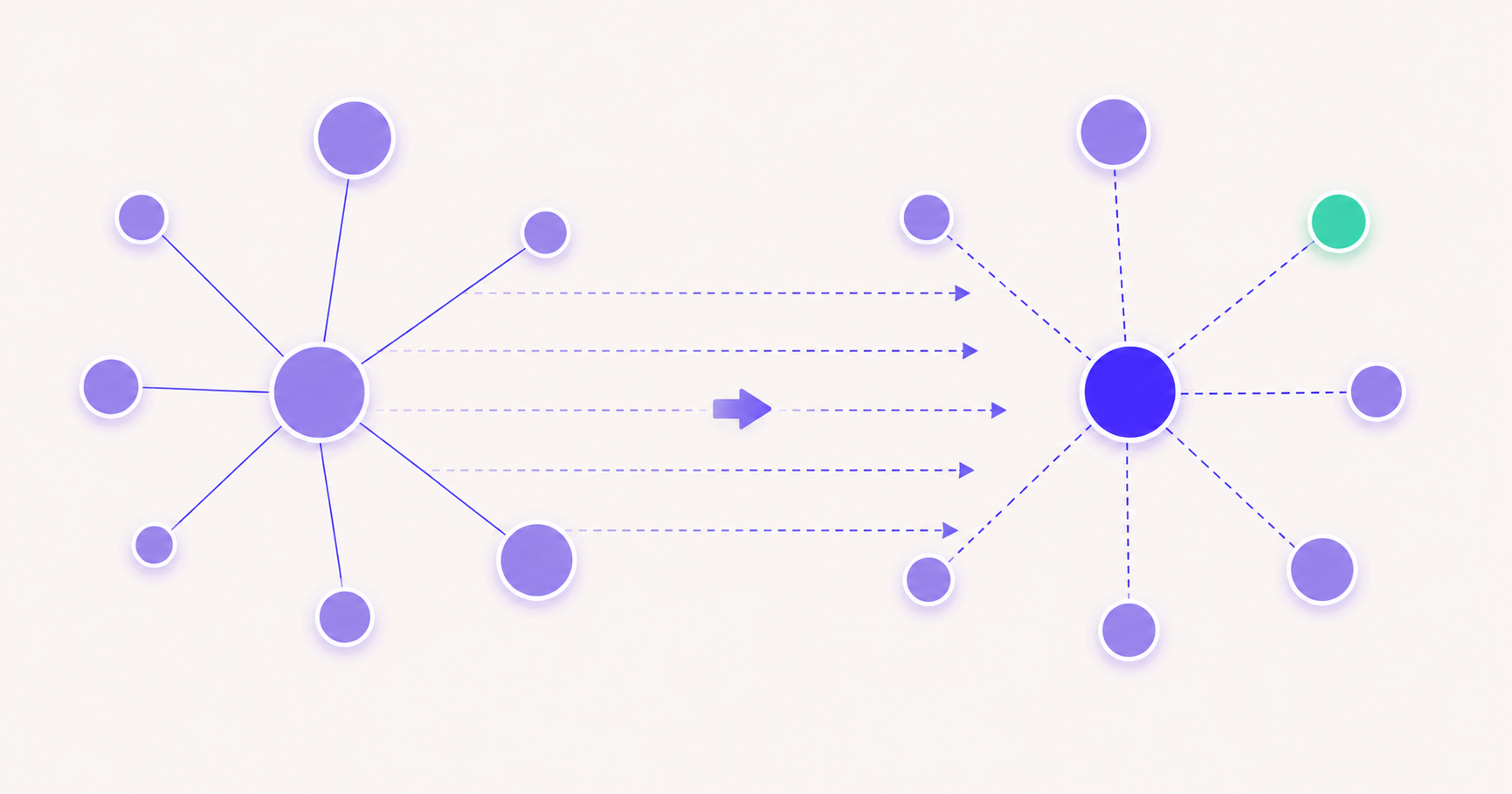
"Stealing" a competitor's backlinks really means earning a link from the same source. Here's the repeatable process: which links to target, how to pitch them, and which ones to leave alone.
Frequently asked questions
Can you really steal a competitor's backlinks?
- Not literally. You can't remove a link from someone else's site. What people mean by "stealing" backlinks is earning a link from the same source that links to your competitor. If a resource page or publication links to them, you find the person who controls that page and give them a reason to link to you too.
How do you replicate a competitor's backlinks?
- Pull their referring domains, filter to the links you could realistically earn (resource pages, guest posts, roundups, unlinked mentions), find the right contact for each, and pitch a specific reason to add or switch the link. Broken-link building and "link intersect" gaps are the highest-yield versions of this.
What is broken link building?
- Broken link building is finding a page that links to a competitor's URL that no longer works, then offering your working page as the replacement. The site owner wins by fixing a dead link, and you win the link. It's one of the highest-conversion outreach tactics because you're solving a real problem for them.
Which competitor backlinks are not worth copying?
- Skip low-quality directories, paid link networks, spammy blog comments, and links from sites unrelated to your niche. They add little authority and some carry risk. Focus your effort on editorial mentions, curated resource lists, and relevant guest posts. Those are the links that actually moved your competitor's rankings.
Keep reading
How to analyze a competitor's backlink profile
Build the prioritized target list this guide acts on.
Where to get backlinks that actually count
The link sources worth pitching, ranked by effort.
How to find your competitors' backlinks
The starting point. Pull the profile you'll mine.
How to get backlinks
The wider playbook this tactic belongs to.
Should you buy backlinks?
When paying beats earning, and when it does not.